The backcourt has promise but the full rotation still matters
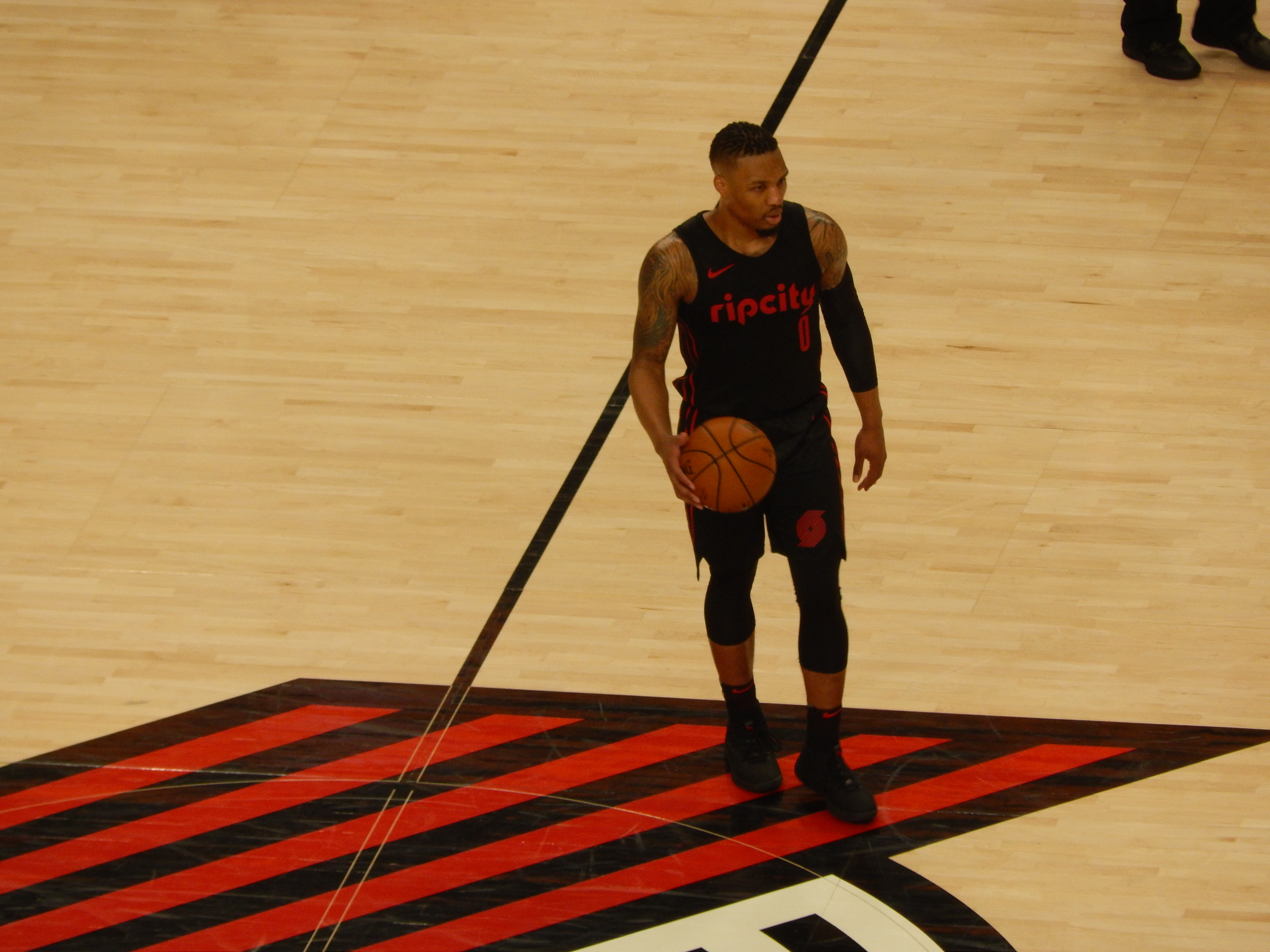
Damian Lillard scored 23 points and Ja Morant added 19 as Portland lost 128–118 to Golden State in its October 16 preseason finale, played on October 17 Philippine time. Their combined 42 points gave the Trail Blazers another encouraging glimpse of the new backcourt, although the result also kept attention on how the entire rotation fits together.
Lillard played 25 minutes and 39 seconds and added three assists. Morant played 27 minutes and 19 seconds, contributing three rebounds and three assists. Those totals establish that both guards produced in the same game. They do not, by themselves, establish how effective the partnership will be across a full regular season.
The support was not absent. Deni Avdija scored 12 points, Toumani Camara added 11, Donovan Clingan collected 11 rebounds and Scoot Henderson supplied 17 points off the bench. Jrue Holiday did not play. Calling everything behind the starting guards a failure would ignore contributions that appear directly in the box score.
The more useful question is about balance. Two guards who can create a shot give Portland options when an initial action is defended well. They also create decisions about who handles the ball, who moves without it and how the team keeps both involved without reducing the other three players to spectators.
Rotation planning matters just as much. Staggering the guards could preserve a creator with the second unit, while playing them together may place greater responsibility on the forwards and center to defend, rebound and connect possessions. Neither approach is automatically correct for every opponent. The value comes from having lineups that can execute their particular jobs.
Allowing 128 points is a reason to examine the defensive possessions, but a preseason team total cannot isolate blame. Opponent shooting, pace, experimental combinations and the minutes assigned to reserves all affect it. The evaluation should identify repeated breakdowns rather than assume the last player on the floor caused the final score.
Portland has enough evidence to be interested in this pairing and too little to call it solved. The next test is whether useful individual production becomes dependable team offense without asking the rest of the roster to cover an unsustainable defensive workload. The backcourt can set the direction; the supporting combinations will help decide how far it goes.